
For centuries, puzzles have brought people together through curiosity, creativity, and the simple joy of finding where each piece belongs. While today’s puzzles are often associated with family game nights and relaxing afternoons, their origins were surprisingly educational.
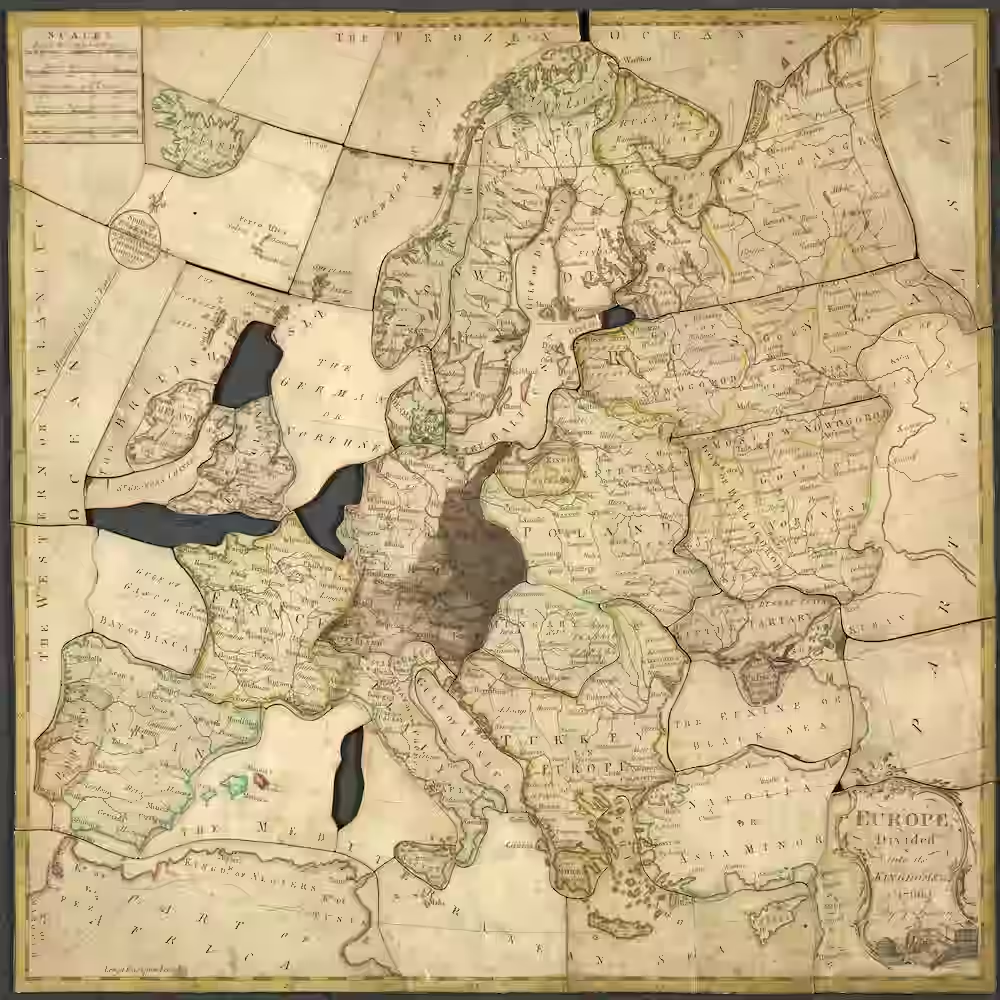
The first jigsaw puzzles appeared in 18th-century England when cartographer John Spilsbury mounted maps onto thin sheets of wood and cut them apart along country borders. These “dissected maps” helped children learn geography through hands-on play and are widely considered the earliest jigsaw puzzles.
Non-Interlocking: The Original Puzzle Experience
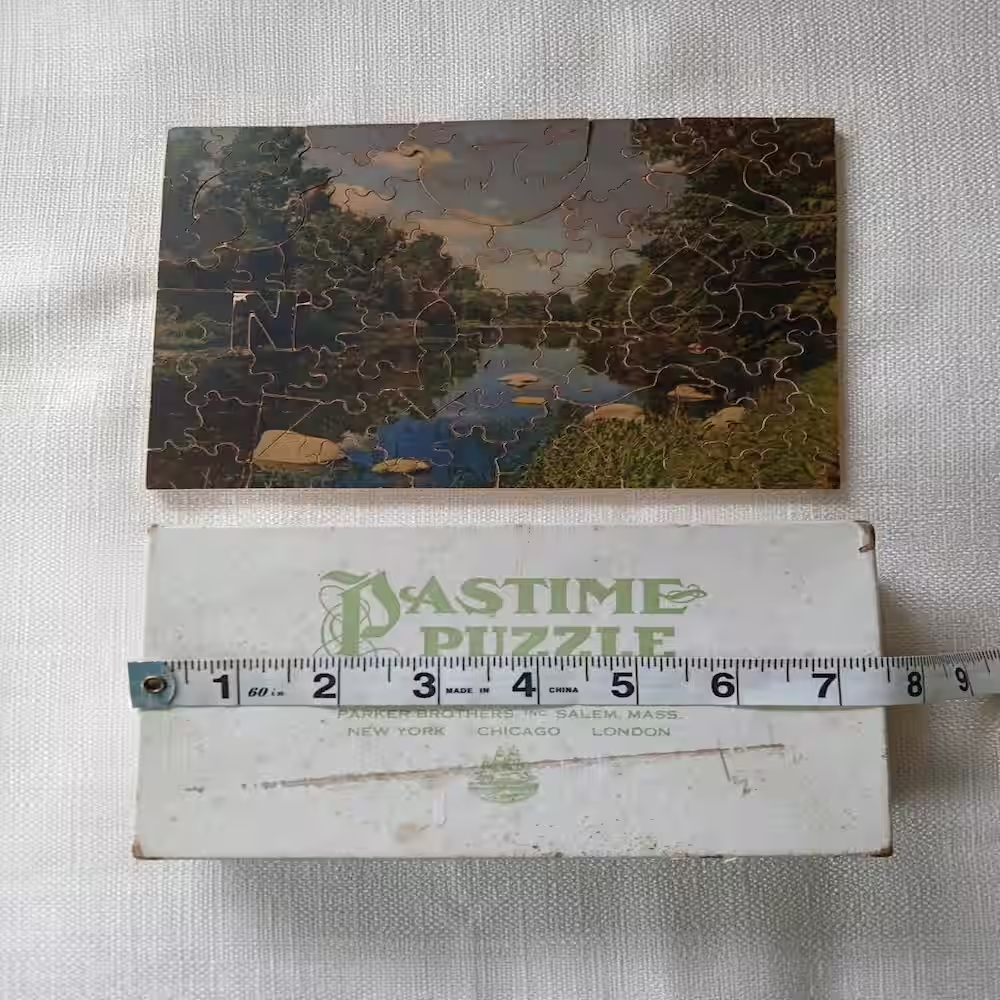
Unlike most modern puzzles, these early creations featured non-interlocking pieces. Crafted entirely from wood, the pieces rested beside one another rather than snapping together. This traditional style encourages a slower, more mindful approach to puzzling and highlights the craftsmanship that first defined the hobby.
At Evergreen Puzzles, we continue to celebrate this historic style through select non-interlocking designs that honor puzzling’s earliest roots.

Interlocking: A Modern Evolution
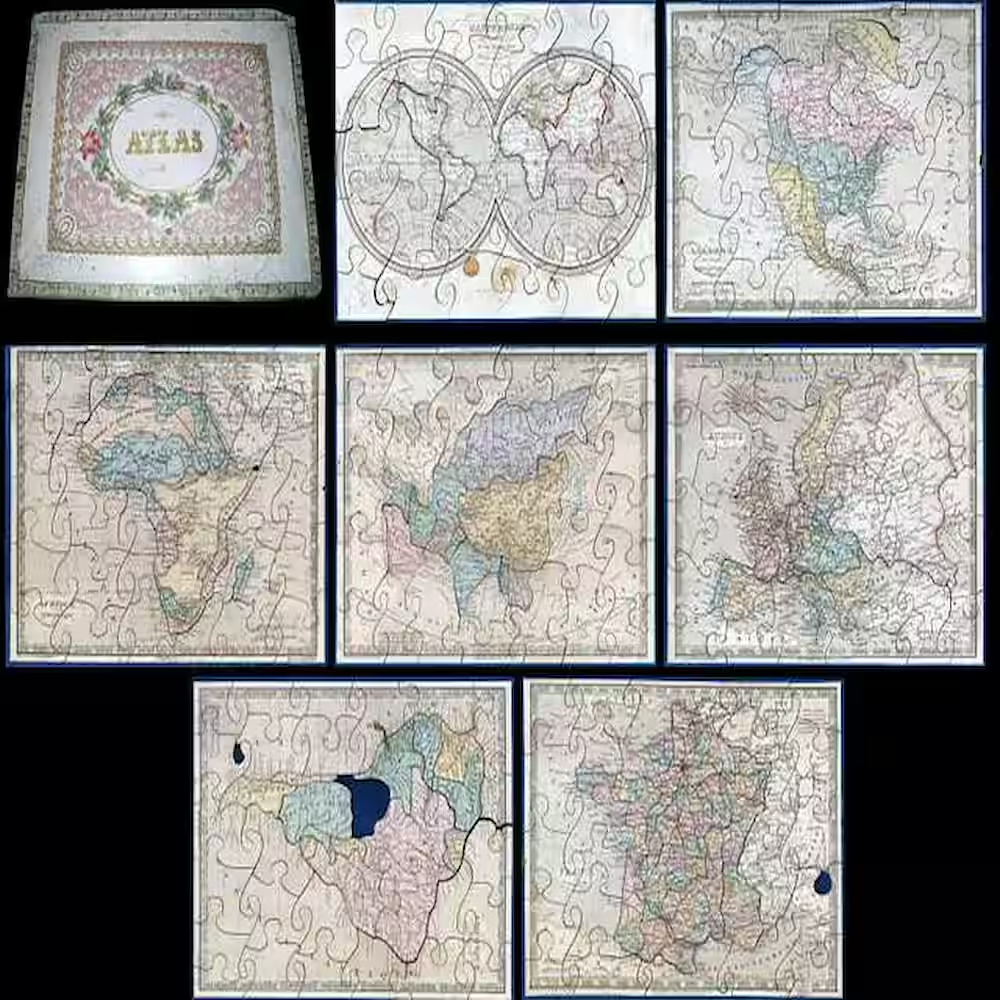
As puzzling grew in popularity, interlocking pieces emerged as a way to provide greater stability and make puzzles easier to assemble and share. Over time, interlocking designs became the familiar standard found in homes around the world.
Today, Evergreen carries this tradition forward while embracing innovation. Many of our puzzles incorporate unique interlocking tabs and creative piece designs, adding an extra layer of surprise and artistry to the puzzling experience.
Whimsy: Art Hidden Within the Puzzle
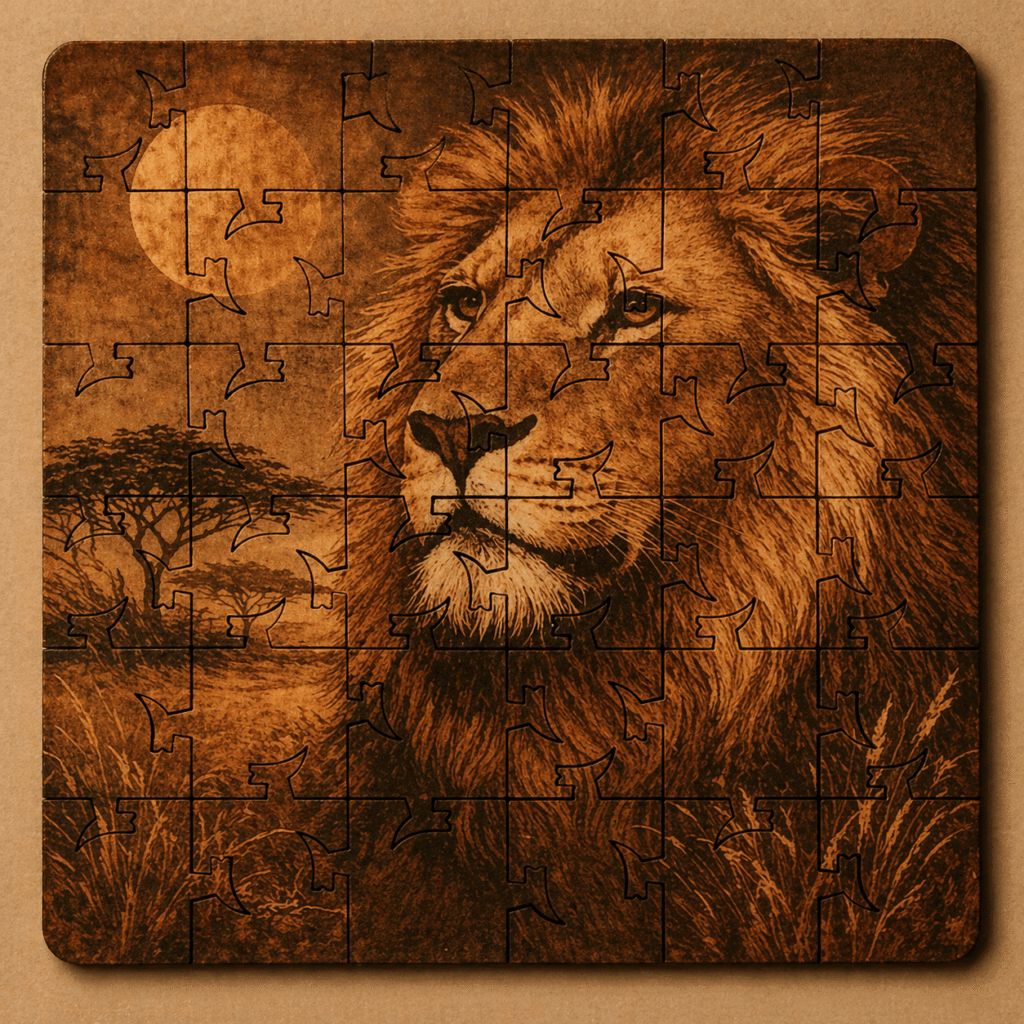
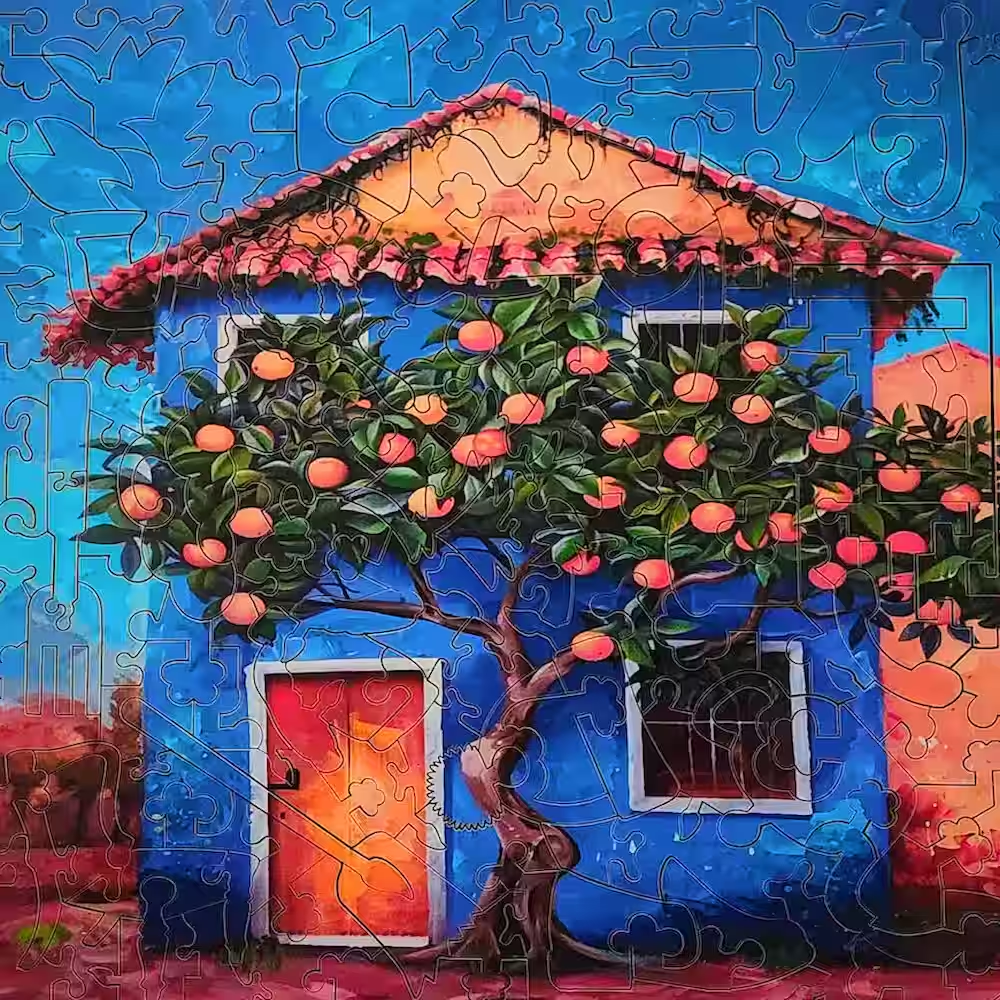
Artisan puzzle makers also introduced whimsy pieces, special pieces shaped like animals, flowers, and other recognizable forms inspired by the puzzle’s theme. These delightful details transformed puzzles into interactive works of art filled with moments of discovery.
At Evergreen, we embrace this tradition by thoughtfully designing whimsy pieces that complement a given artwork. Rather than using random shapes, our whimsy pieces are selected to reflect the story being told within the puzzle itself. From wildlife hidden within nature scenes to themed elements that celebrate a particular subject, these unique pieces create memorable moments throughout the puzzling experience.
Why Jigsaw Puzzles Still Matter
Despite centuries of innovation, the heart of puzzling remains unchanged. Research suggests that puzzling engages multiple cognitive abilities, including memory, reasoning, and visual-spatial processing. Puzzles can also encourage mindfulness, reduce stress, and provide opportunities for meaningful connection with family and friends.
In an increasingly digital world, puzzles offer something timeless: the chance to slow down and create something together.
At Evergreen Puzzles, we’re proud to carry these traditions forward through thoughtfully crafted wooden puzzles featuring contemporary artwork, innovative cutting techniques, and experiences designed to be shared. From historic non-interlocking puzzles to modern whimsy designs, puzzling continues to evolve, while preserving the simple joy of watching something beautiful come together.
Leave a Reply